If water is backing up around your Central Coast property, one of the first things we want to establish is whether the problem is in the sewer or the stormwater system. They run through the same property and can develop some of the same faults, including tree roots, broken pipes and poor flow, but they carry completely different water.
The quick rule is simple: problems linked to toilets, showers, basins, kitchen or laundry wastewater usually point to a sewer drain. Problems that appear around gutters, downpipes, stormwater pits, driveway drains or the yard during rain usually point to stormwater drainage.
That distinction matters because clearing the wrong line will not solve the problem.
Sewer or Stormwater? The Quick Comparison
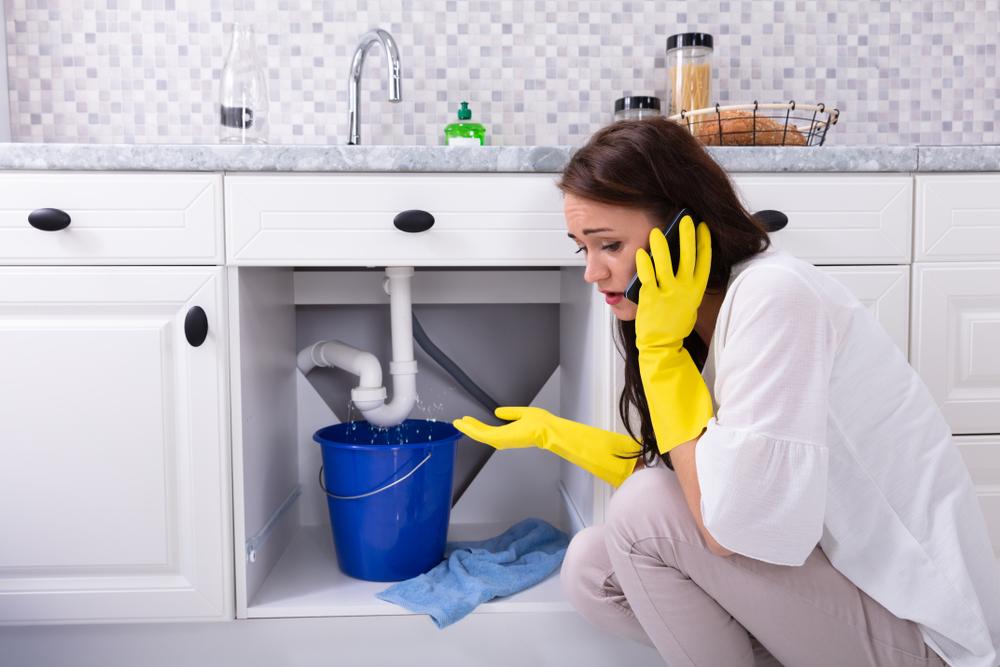
A blocked sewer drain affects wastewater from toilets, showers, basins, kitchen sinks, laundries and other sanitary fixtures. Typical clues include toilet gurgling, several indoor drains slowing at the same time, sewage smells, wastewater backing up, or an overflow relief gully discharging.
A blocked stormwater drain affects rainwater from roofs, gutters, downpipes, surface drains, drainage pits and hardstand areas. Typical clues include overflowing stormwater pits, backed-up downpipes, water pooling in the yard, driveway drains holding water or flooding that mainly appears during rain.
If you remember only one thing, remember what causes the problem to appear. Using the plumbing points towards sewer. Rainfall points towards stormwater.
What Is the Difference Between a Sewer Drain and a Stormwater Drain?
A sewer drain carries wastewater away from the house. On a sewered Central Coast property, toilets and other sanitary fixtures connect into the property's sanitary drainage before the house service line connects to Council's sewer network.
Stormwater has a different job. It collects rainwater falling on roofs and hard surfaces and directs it through gutters, downpipes, pits and underground stormwater pipes towards an approved discharge point.
The systems are supposed to remain separate.
Central Coast Council specifically warns that house stormwater should not be diverted into the sewer system. Excess stormwater entering sewer pipes during wet weather can overload the sewer network and contribute to overflows.
That distinction is particularly important locally because the Central Coast has extensive waterways, lagoons and coastal catchments. Water entering the wrong drainage system is more than just a plumbing inconvenience.
How Can You Tell if the Sewer Drain Is Blocked?
A sewer blockage normally shows itself when you use plumbing fixtures, whether it is raining or not.
One of the strongest clues is more than one fixture becoming affected. The toilet may gurgle when the shower runs, water may rise in a floor waste when you flush, or the shower may become slow at roughly the same time as the toilet starts behaving differently.
Sewage smells and wastewater appearing at the outdoor overflow relief gully are other strong indicators.
If several fixtures are affected together, see our guide to the signs of a blocked sewer line. If the problem centres around a toilet that repeatedly blocks, our guide explaining why a toilet keeps blocking goes into the difference between a toilet problem and a deeper sewer restriction.
On the Central Coast, recurring sewer blockages can also be associated with tree-root intrusion and ageing drainage. Roots can enter cracks or vulnerable joints, while older earthenware or vitreous clay drainage can develop displaced joints and defects that catch paper and waste.
We cover that problem in more detail in our guide to tree roots in drains on the Central Coast.

How Can You Tell if a Stormwater Drain Is Blocked?
Stormwater problems usually follow the weather.
If the house plumbing works normally on a dry day but water starts pooling around pits, backing up through driveway grates or overflowing from downpipes when heavy rain arrives, the stormwater system becomes the obvious place to investigate.
Central Coast properties give stormwater systems plenty to deal with. Council notes that the region's climate and topography can make stormwater flooding a common issue for property owners.
That is relevant across coastal and sloping areas such as Terrigal, Wamberal, Avoca Beach and Kincumber, as well as properties around Gosford, Erina, Woy Woy, Umina Beach, Bateau Bay, The Entrance, Tuggerah and Wyong.
The important point is that water on the ground does not automatically mean the underground stormwater pipe is blocked.
Leaves, sediment and debris can restrict pits and pipes, while underground lines can also suffer root intrusion, damaged sections or poor fall. But during exceptional rainfall, water can also follow natural overland flow paths faster than a property drainage system can accept it.
If the same pit, downpipe or surface drain repeatedly struggles during ordinary rainfall, that is much stronger evidence that the private stormwater system needs investigation.
Central Coast Council has further information about stormwater on private property.
Why Does Timing Matter So Much?
Timing is one of the best diagnostic clues a homeowner can give us.
If the problem happens when you flush a toilet, empty a bath or run the washing machine, think sewer.
If it appears when the roof, driveway and yard are receiving rain, think stormwater.
There are exceptions.
Heavy rain can expose faults in sewer infrastructure, particularly where groundwater is entering damaged pipework or an incorrect stormwater connection exists. Central Coast Council notes that excessive wet-weather infiltration and illegal drainage connections can contribute to sewer overflows.
That is why a toilet gurgling when it rains is not automatically a stormwater problem. The toilet is still connected to the sewer. The rain may simply be revealing a sewer problem that was less obvious in dry weather.
What if Water Is Coming From an Outside Drain?
First work out what that outside drain actually is.
An overflow relief gully, or ORG, forms part of the sanitary drainage system. It provides an outdoor relief point so that if the sewer backs up, wastewater has somewhere lower than the internal fixtures to escape.
If sewage or toilet paper is coming from the ORG, you are looking towards the sewer system, not a blocked stormwater drain.
A grated stormwater pit or surface drain is different. If it fills with relatively clean rainwater during a storm and drops again once the rain stops, investigate the stormwater system.
Smell can provide another clue. Sewage, toilet paper or wastewater strongly suggests sewer drainage. Muddy rainwater, leaves and silt are much more typical of stormwater.
We would not diagnose a drain from smell alone, but combined with timing, location and which fixtures are affected, it tells us quite a lot.

Who Is Responsible for a Blocked Sewer or Stormwater Drain on the Central Coast?
For sewer drainage, Central Coast Council says property owners are responsible for sewer blockages on their premises between the sewer junction cut-in and the house.
If sewage is overflowing from a Council manhole or the blockage is in a Council sewer main, that should be reported to Council. You can read the current guidance on the Central Coast Council sewer information page.
Stormwater responsibility works differently. Property owners are responsible for maintaining private roof drainage, gutters, downpipes, stormwater pipes and inlet pits. Private inter-allotment drainage may involve responsibilities shared between properties benefiting from or burdened by the drainage easement.
That boundary matters. Before digging up the yard or assuming Council is responsible, establish where the actual fault sits.
How Does a Central Coast Plumber Confirm Which Drain Is Blocked?
When the symptoms are not clear, we stop guessing and test the drainage system.
The starting point is usually how the property behaves. We want to know which fixtures are affected, whether the problem depends on rain, where water is appearing and whether the blockage has happened before.
From there, the affected line can be cleared where necessary and inspected internally.
A CCTV video pipe inspection lets us inspect the inside of sewer and stormwater pipework for tree roots, cracks, displaced joints, debris, obstructions and damaged sections.
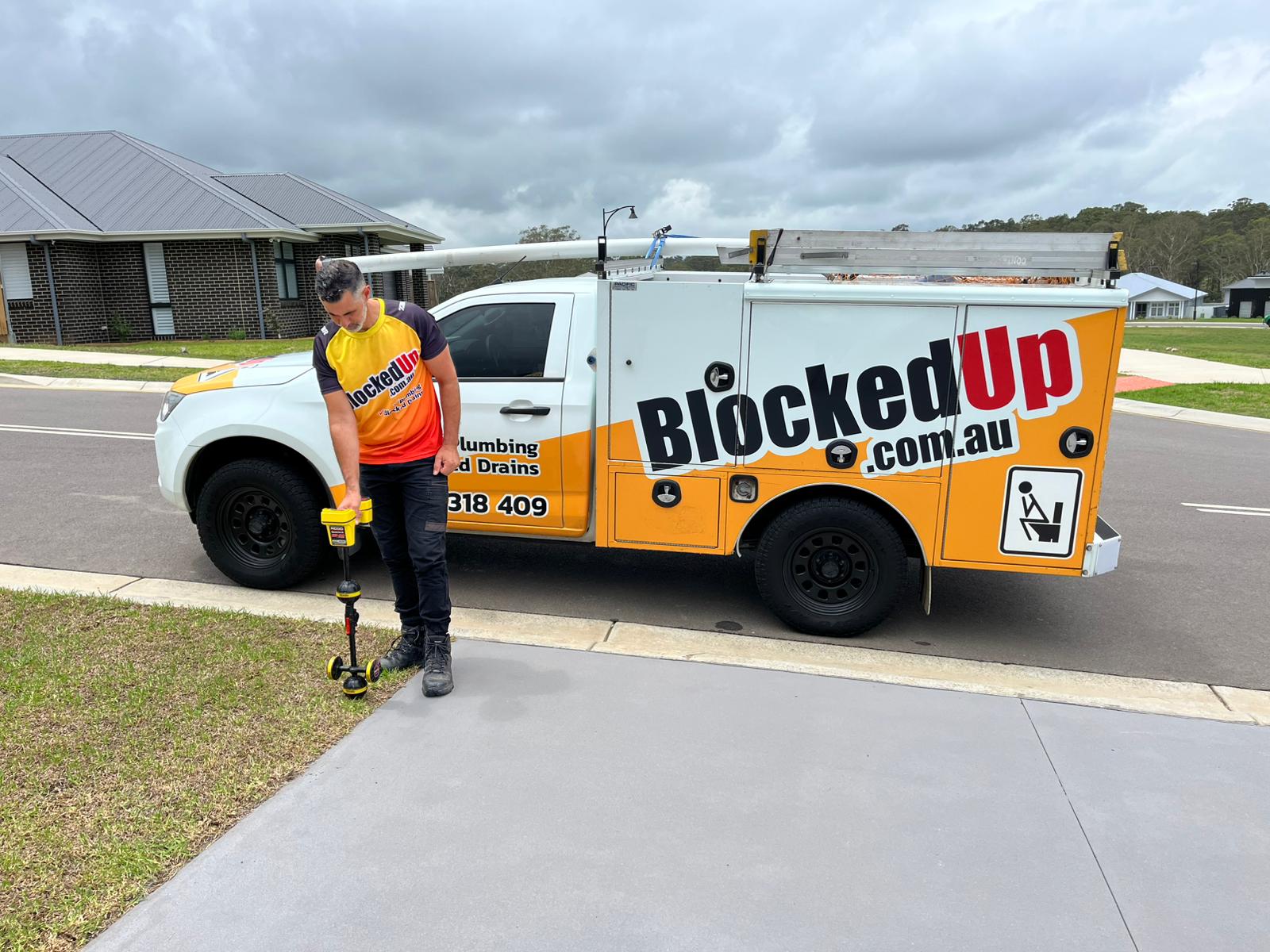
If we need to know exactly where that defect sits underground, electronic pipe location can help trace the drainage line and locate the camera head from the surface.
That is particularly useful when pipes disappear beneath driveways, paving, established gardens or landscaping. It gives us far better information before anyone starts excavating.
If the same drainage problem keeps returning, read our guide explaining why blocked drains keep coming back.
When Should You Call a Plumber?
If sewage is backing up inside the house, the overflow relief gully is overflowing, several sanitary fixtures are affected or a toilet is close to overflowing, stop using the affected plumbing and arrange assistance.
Stormwater becomes urgent when water threatens the house, garage, subfloor or other structures. Properties experiencing ongoing water beneath the house may also benefit from an assessment of their sub-floor drainage.
For life-threatening flooding or storm emergencies, follow Council advice and contact the SES.
For a recurring drainage problem, the goal should not just be getting the water moving again. It is finding out whether you have a blocked sewer drain, blocked stormwater drain or a wider drainage fault, then treating the correct system.
Blocked Up Plumbing provides blocked drain services across the Central Coast, along with CCTV inspections, pipe location and emergency plumbing throughout Terrigal, Erina, Gosford, Woy Woy, Umina Beach, Bateau Bay, The Entrance, Tuggerah, Wyong, Kincumber, Wamberal, Avoca Beach and surrounding areas.