Tree Roots in Drains: Why They Cause Repeated Blockages and How Professionals Remove Them
Tree roots in drains are among the most common and misunderstood causes of recurring blockages in Australian homes. On the Central Coast in particular, older sewer systems, established gardens, and shifting soil conditions make root intrusion a frequent issue.
What makes tree root blockages so frustrating for homeowners is that the drains often appear to clear, only to block again weeks or months later. This leads many people to believe the problem has been fixed when, in reality, the underlying cause remains untouched.
To understand why this happens, it helps to know how sewer pipes fail, how roots behave underground, and why temporary clearing methods rarely provide a lasting solution.
Can Tree Roots Really Block Drains?
Yes. Tree roots are naturally drawn to moisture and nutrients. Sewer pipes provide both in a constant supply. When a pipe develops even the smallest weakness, roots will exploit it. This does not happen suddenly. It is a gradual process that often goes unnoticed until blockages begin occurring more frequently.
Older sewer pipes, particularly those made from clay or earthenware, are especially vulnerable. These pipes rely on multiple joints, and over time, those joints can dry, shift, or crack. Once moisture escapes into the surrounding soil, roots follow it.
After entering the pipe, roots continue to grow inside the sewer line. As they thicken, they begin to restrict flow. Toilet paper, grease, and other debris accumulate on the root mass, gradually reducing the pipe's internal diameter. Eventually, the sewer line behaves like a sieve, trapping waste and causing repeated blockages.
Early Signs of Tree Roots in Drains
Root-related blockages tend to develop slowly. Early on, the drain may still appear to function, but subtle warning signs usually emerge.
Homeowners often notice that drains clear after being unblocked, but then slow again within a relatively short period. Gurgling noises from toilets or floor wastes are common, particularly when other fixtures are used. In more advanced cases, sewage smells may appear inside or outside the home, and outdoor gully traps may overflow during periods of heavy water use.


How Tree Roots Enter Sewer Pipes
Tree roots do not typically break intact pipes open. Instead, they exploit existing weaknesses. Small cracks, displaced joints, or minor pipe movement are enough to allow fine root hairs inside. Once established, those roots expand as they search for water.
This process is particularly common in areas with clay soils. Clay expands and contracts with changes in moisture content, placing stress on rigid pipe systems. Over time, that movement creates openings that roots can access.
Once inside, the sewer pipe provides an ideal environment for microbial growth. The warmth, moisture, and nutrients found in wastewater allow roots to grow far more aggressively than they would in dry soil.
Why DIY Drain Clearing Doesn't Fix Root Problems
Many homeowners attempt to resolve recurring blockages with chemical drain cleaners or basic plumbing tools. While these approaches can remove soft debris, they do not address the underlying issue when tree roots are involved.
Chemical products cannot remove established root masses and can damage pipe materials over time. Mechanical plungers and hand augers may temporarily improve flow but leave the roots untouched. Even products marketed as root killers only affect fine root growth and do nothing to repair damaged pipes or remove thick root intrusion.
As long as roots remain inside the sewer line, blockages will continue to return.
How Tree Roots Are Properly Diagnosed
Accurately identifying root intrusion requires visual confirmation. This is why professional plumbers rely on CCTV drain camera inspections rather than guesswork.
A drain camera allows the plumber to inspect the internal condition of the sewer line, confirm the presence of roots, and assess the severity of the damage. It also reveals whether the pipe itself has cracked, collapsed, or shifted, which is critical when deciding on a long-term solution.
Electronic pipe location equipment is often used alongside CCTV inspections to determine the exact position and depth of the affected section. This prevents unnecessary excavation and enables targeted repairs.
How Professionals Remove Tree Roots From Drains
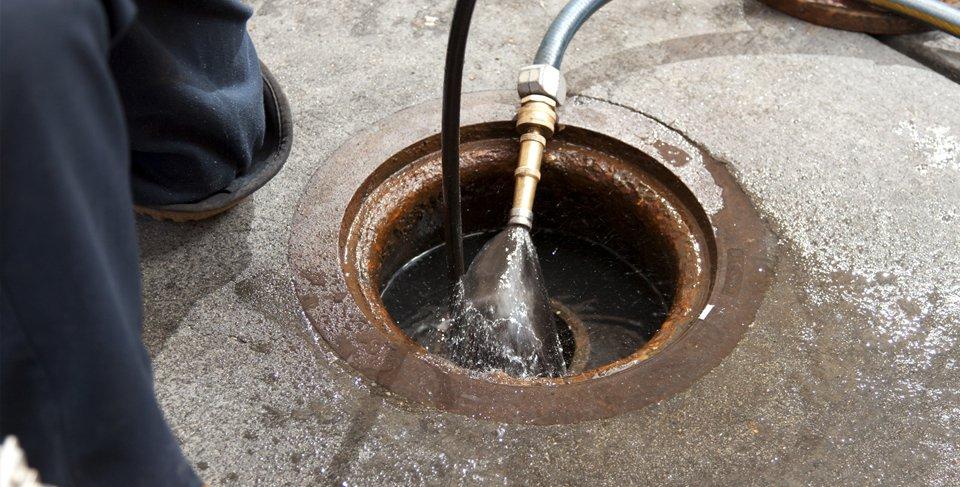
Once roots have been confirmed, professional removal is essential. High-pressure water jetting is the most effective method for clearing tree roots from sewer pipes. This process cuts through root growth, flushes debris from the line, and restores proper flow throughout the system.
In cases where roots are particularly dense or longstanding, specialised cutting tools may be required before jetting can fully clear the pipe. After removal, a follow-up camera inspection is used to ensure the pipe has been properly cleaned and to assess whether further repairs are needed.
Will Tree Roots Come Back?
Whether roots return depends on the condition of the pipe. If the pipe remains cracked or misaligned, roots can re-enter over time. This is why proper diagnosis is just as important as clearing the blockage.
In some cases, targeted repairs or pipe relining may be recommended to seal the damaged section and prevent future intrusion. Without addressing the entry point, any solution is likely to be temporary.
Why Tree Root Blockages Are Common on the Central Coast
Tree root intrusion into sewer lines is particularly common on the Central Coast due to older sewer infrastructure, established vegetation, and reactive soils. Many properties were built decades ago using materials that are no longer considered ideal for long-term durability.
These conditions make sewer pipes more susceptible to movement and cracking, creating opportunities for roots to enter and grow unchecked.
When Tree Roots Become an Emergency
Root-related blockages are urgent when wastewater backs up into the home or overflows from outdoor drains. At this stage, there is a risk of sewage damage, health hazards, and further pipe failure.
Early intervention is always less disruptive and less expensive than waiting for a full sewer blockage to occur.
Need Help With Repeated Blocked Drains?
If your drains keep blocking despite being cleared, tree roots are often the underlying cause. Without proper inspection, the problem is unlikely to go away.
A professional CCTV inspection can identify whether roots are present and determine the most effective long-term solution.
Contact us today for expert drain inspections and reliable solutions across the Central Coast.